
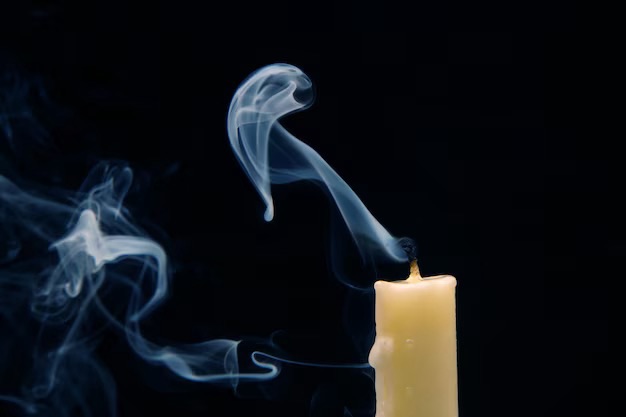
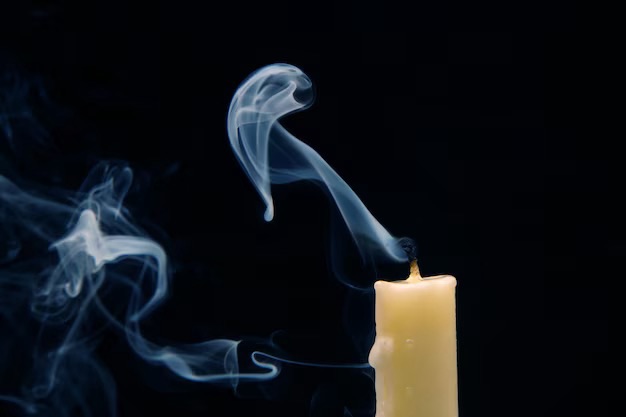
You think it’s gone. The power you gave, the trust you placed. You think when the scene ends, it’s over. But it isn’t. It never is. What you gave doesn’t vanish—it haunts you. It breathes with you. It marks you. And that mark never leaves.
Control doesn’t die when the cuffs come off. It lingers. It seeps under your skin like smoke after fire, like fingerprints pressed into bone. You can pretend it’s over—but the ghost stays. And it stays inside you.
If you’ve ever truly given yourself, you know this already: the power doesn’t leave when the scene ends. It coils inside you. It whispers. It waits. Because once it’s real—once it’s trusted—it never lets go.
Power that’s given freely never truly disappears. It wasn’t stolen. It wasn’t forced. It was trusted. And trust always leaves fingerprints. You can scrub the memory, burn the rope, wash the sheets until the fabric frays—but it lingers. Not as possession. Not as ownership. As a mark.
It lives in the silence after the last word fades, in the stillness between one breath and the next. It trails behind you like smoke after fire, curling into corners you thought were safe. Because you don’t own it—you never did. You only carried it for as long as they allowed. And when it slips back through your fingers, you don’t just notice the absence. You feel the ghost.
It’s there in every command that dies in your throat. In the ache of silence where obedience once answered back. In the phantom weight of their body at your feet, in the echo of their voice trembling under yours. It’s not just memory—it’s residue. A haunting reminder of everything you once held.
That’s the truth of real dominance: it doesn’t cling. It doesn’t need to. It leaves a mark so deep it never has to hold on. It doesn’t smother or choke—because it already breathes inside you. And when it’s earned—truly earned—it remains. Not just in ritual. Not just in play. But in the marrow of memory.
Long after the cuffs are undone. Long after the scene is stripped bare. Long after the power shifts back into their hands—the ghost still lingers. And the haunting isn’t cruel. It’s sacred. A reminder of what was shared, of the weight you carried, of the trust you were given. Proof that the exchange was real.
Because real dominance isn’t something you take. It’s something you become. And once you’ve become it, you can never go back. Even in silence. Even in loss. Even when the room is empty.
The ghost of control doesn’t fade. It doesn’t die. It waits. And if you’ve ever truly held it, you already know—it’s not them you carry. It’s the mark they left on you.
And that mark never leaves.
Until next time,
Stay safe. Make good choices. And as always, stay kinky My friends.
~Dray Orion


 Carolina Confidential
Leave a reply to Dray Cancel reply